ARTIKULO BLG. 164 | Bakit Mas Gusto ng mga Modernong Bintana ang mga Nakatagong Bisagra para sa Malinis na Hitsura
ARTIKULO BLG. 164 | Bakit Mas Gusto ng mga Modernong Bintana ang mga Nakatagong Bisagra para sa Malinis na Hitsura
Ang paraan ng pagkikita ng isang bisagra sa bintana ay lubos na nagbago sa nakalipas na dalawang dekada. Kung dati ay tinanggap ang mga nakikitang dahon ng bisagra at nakalantad na mga ulo ng turnilyo bilang kinakailangang mekanismo ng isang gumaganang bintana, ang kontemporaryong arkitektura ay lalong tinatrato ang mga nakikitang kagamitang ito bilang isang kompromiso.Mga nakatagong bisagra ng bintanaay lumitaw bilang pamantayang ispesipikasyon para sa mga modernong proyekto hindi dahil tumigil sa paggana ang mga bisagra na nakakabit sa ibabaw, kundi dahil nagbago na ang kahulugan ng kung ano ang dapat na hitsura ng isang bintana. Ang malilinis na linya ng paningin, walang patid na mga frame, at ang pagkawala ng mga mekanikal na kalat ngayon ang nagtutulak sa pagpili ng hardware gayundin sa mga rating ng karga at bilang ng mga siklo.
Ang Uso ng Naglalahong Hardware
Ang kagustuhan para samga nakatagong bisagra ng bintananabibilang sa isang mas malawak na kilusang arkitektura tungo sa biswal na minimalismo. Ang mga ilaw ay pumapasok sa mga dingding. Ang mga door closer ay nagtatago sa mga header track. Ang mga koneksyon sa istruktura ay nawawala sa likod ng mga flush finish. Ang gumaganang bintana ay sumunod sa parehong landas. Sa isang kontemporaryong harapan, ang bintana ay inaasahang mababasa bilang isang transparent na patag sa loob ng isang minimal na frame, hindi bilang isang pagsasama-sama ng mga mekanikal na bahagi. Ang nakikitang mga buko ng bisagra, mga leaf plate, at mga ulo ng fastener ay sumisira sa biswal na patag na ito at nakakakuha ng atensyon sa bintana bilang isang mekanismo sa halip na isang siwang. Ang mga nakatagong bisagra, na ganap na nakatago sa loob ng profile ng frame kapag ang bintana ay nakasara, ay nakakatugon sa inaasahan na ang mga modernong elemento ng gusali ay hindi dapat magbunyag ng anumang bagay tungkol sa kanilang mga panloob na paggana. Ang bintana ay bumubukas at nagsasara lamang, nang walang nakikitang paliwanag kung paano.
Ang Hindi Naputol na Linya ng Frame
Isang frame ng bintana na may kasamangmga nakatagong bisagra ng bintanaNagpapakita ng isang tuluy-tuloy at walang patid na perimeter. Ang frame ay lumilitaw bilang isang nag-iisang, magkakaugnay na elemento nang walang biswal na pagkagambala ng mga hardware ng bisagra na nakakagambala sa mga linya nito. Ang pagpapatuloy na ito ay partikular na pinahahalagahan sa mga slim-profile na frame na aluminyo at bakal, kung saan ang frame mismo ay nabawasan na sa pinakamababang sukat na pinahihintulutan ng istraktura at thermal performance. Sa ganitong mga payat na frame, ang isang surface-mounted na bisagra ay sumasakop sa isang hindi proporsyonal na bahagi ng nakikitang ibabaw at nagiging nangingibabaw na biswal na elemento. Ang mga nakatagong bisagra ay nagbabalik ng visual na priyoridad sa mga proporsyon ng frame mismo, na nagpapahintulot sa mga payat na sightline na mabasa ayon sa nilalayon. Ang parehong prinsipyo ay naaangkop sa sash: nang walang nakikitang bisagra na nag-iiwan ng pagkasira sa panloob na gilid nito, ang sash ay nagbabasa bilang isang malinis at maayos na parihaba.
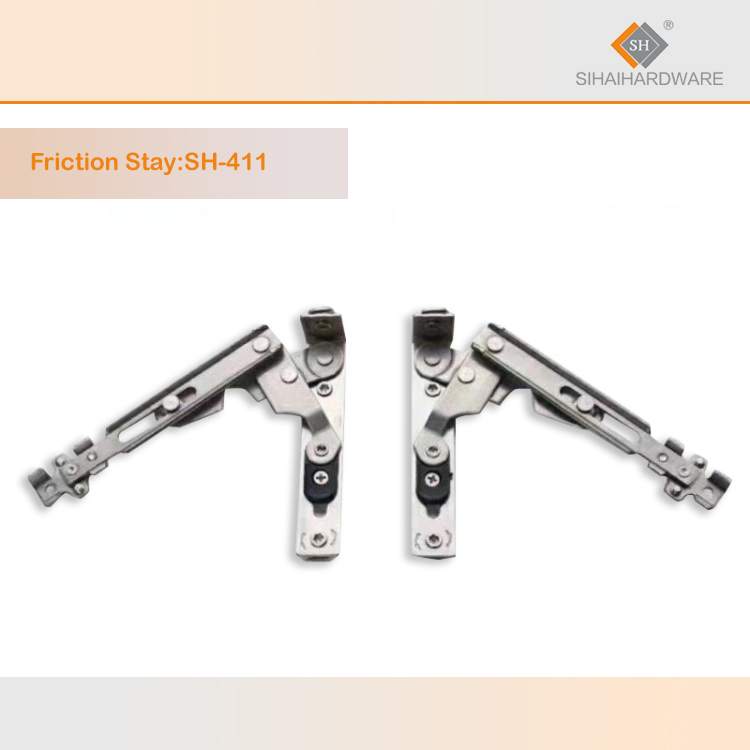
mga nakatagong bisagra ng bintana
Pagkakapare-pareho ng Panloob at Panlabas
Ang biswal na benepisyo ngmga nakatagong bisagra ng bintana Gumagana mula sa magkabilang panig ng bintana. Sa labas, ang kawalan ng nakikitang hardware ay nakakatulong sa isang makinis at pantay na elevation ng harapan. Ang bintana ay nakatayo nang patag sa loob ng bukana nito, na walang nakausling mga bahagi ng bisagra upang saluhin ang liwanag, maglagay ng mga anino, o mangolekta ng dumi sa mga paraang nagmamarka sa harapan ng mga hindi regular na disenyo sa paglipas ng panahon. Sa loob, inaalis ng mga nakatagong bisagra ang biswal na pagpasok ng mga mekanikal na bahagi sa mga espasyo ng pamumuhay. Ito ay partikular na mahalaga sa mga silid kung saan ang mga bintana ay nagsisilbing mga focal point—mga lugar ng pamumuhay na may magagandang tanawin, mga silid-tulugan na nagbabalot ng mga tanawin ng hardin, mga komersyal na espasyo kung saan ang glazing ay bahagi ng karanasan sa arkitektura. Ang tanawin sa pamamagitan ng salamin ay nakabalangkas sa pamamagitan ng malilinis na linya, hindi nababalutan ng mga hardware.
Koordinasyon gamit ang Multi-Point Locking
Ang mga modernong bintana ay lalong gumagamit ng mga multi-point locking system na nagse-secure ng sash sa iba't ibang posisyon sa paligid ng perimeter nito. Ang mga sistemang ito ay umaasa sa tumpak na pagkakahanay sa pagitan ng sash at frame upang sabay-sabay na mai-fasten ang lahat ng locking point.Mga nakatagong bisagra ng bintanaNakakatulong sa katumpakan na ito sa pamamagitan ng pagpapanatili ng pare-parehong posisyon ng sash sa buong buhay ng serbisyo ng bintana. Dahil ang mekanismo ng bisagra ay protektado sa loob ng lukab ng frame, hindi ito gaanong madaling kapitan ng mga salik sa kapaligiran—thermal expansion, paggalaw na dulot ng hangin, naipon na kontaminasyon—na maaaring maging sanhi ng bahagyang paggalaw ng mga bisagra na nakakabit sa ibabaw sa paglipas ng panahon. Ang resulta ay isang bintana na hindi lamang mukhang mas malinis kundi napapanatili rin ang katumpakan nito sa mas mahabang panahon.
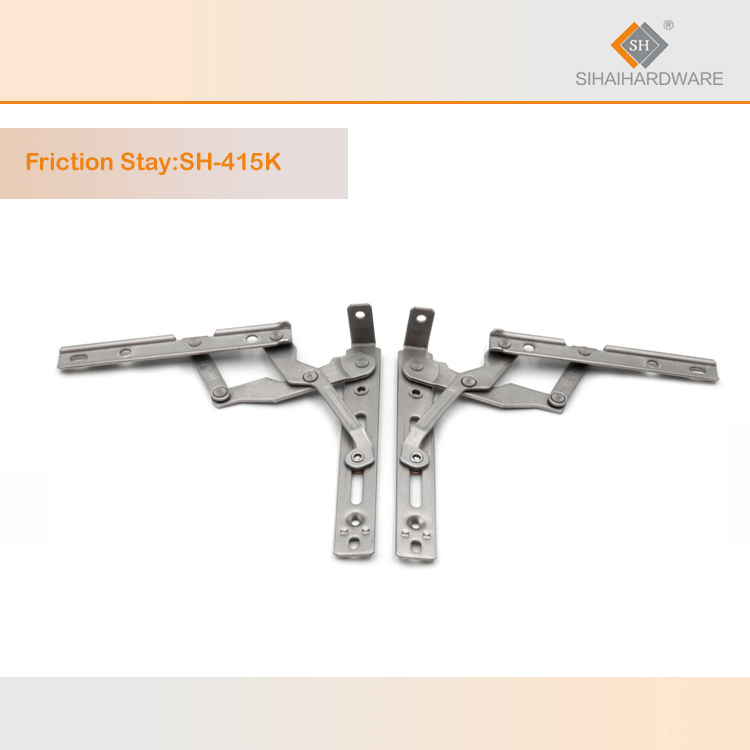
mga nakatagong bisagra ng bintana
Ang Impluwensya ng Disenyo ng Bintana sa Europa
Ang malawakang pag-aampon ngmga nakatagong bisagra ng bintanasa mga pandaigdigang pamilihan ay malaki ang utang na loob sa inhinyeriya ng bintana sa Europa, lalo na ang tradisyon ng tilt-turn window ng Alemanya at Austria. Ang mga sistema ng bintana sa Europa ay nagsama ng mga mekanismo ng nakatagong bisagra sa loob ng mga dekada, na hinihimok ng kombinasyon ng kagustuhan sa estetika, mga kinakailangan sa pagganap ng enerhiya, at teknikal na kakayahan ng mga extruded profile system upang mapaunlakan ang panloob na hardware. Habang ang mga disenyo ng bintana sa Europa ay na-export at inangkop sa buong mundo, ang kanilang teknolohiya ng nakatagong bisagra ay sumama sa kanila. Ang resulta ay isang pandaigdigang pamilihan kung saan ang mga nakatagong bisagra ay hindi na isang premium na niche na produkto kundi isang karaniwang opsyon na magagamit sa maraming mga punto ng presyo at mga kategorya ng pagganap.
Pagsasama ng Paggawa
Ang paglipat patungo samga nakatagong bisagra ng bintana ay napagana ng mga pagsulong sa teknolohiya ng paggawa ng bintana. Ang tumpak na pagma-machining na kinakailangan upang i-recess ang isang bisagra sa isang profile ng frame—na dating matagal at magastos na pangalawang operasyon—ay isinasagawa na ngayon ng mga machining center na kontrolado ng computer bilang isang regular na bahagi ng proseso ng pagputol at paghahanda ng profile. Ang frame extrusion mismo ay dinisenyo mula sa simula gamit ang mga panloob na channel, screw port, at mga drainage path na kinakailangan ng isang nakatagong bisagra. Ang pagsasamang ito ng disenyo ng bisagra at frame ay nangangahulugan na ang isang modernong sistema ng bintana ay naisip bilang isang kumpletong assembly, kung saan ang nakatagong bisagra ay tinukoy bilang bahagi ng sistema sa halip na pinili mula sa isang hiwalay na katalogo ng hardware. Ang resulta ay isang bintana kung saan ang hardware ay nawawala hindi bilang isang nahuling pag-iisip kundi bilang isang pangunahing layunin sa disenyo.
Konklusyon
Mas gusto ang mga modernong bintanamga nakatagong bisagra ng bintanadahil mas gusto ng modernong arkitektura ang biswal na katahimikan kaysa sa mekanikal na ekspresyon. Ang malinis na hitsura na nakakamit sa pamamagitan ng pagtatago ng bisagra sa loob ng frame ay naaayon sa isang kultura ng disenyo na pinahahalagahan ang minimalism, katumpakan, at ang pagkawala ng mga elementong gumagana sa tela ng gusali. Ang nakatagong bisagra ay hindi lamang isang bisagra na nakatago. Ito ay isang bisagra na idinisenyo mula pa sa simula upang maging hindi nakikita, kung saan ang inhinyeriya nito ay nasasakop sa biswal na kahalagahan ng walang patid na frame. Habang patuloy na isinasama ng teknolohiya ng paggawa ng bintana ang disenyo ng hardware at profile nang mas mahigpit, ang nakikitang bisagra na nakakabit sa ibabaw ay lalong magmumukhang isang labi ng isang naunang panahon—epektibo, tapat, ngunit estetiko na lampas sa mga inaasahan na inilalagay ng mga kontemporaryong gusali sa kanilang pinakamaliit na mga bahagi.